
disease
Americannoun
-
diseases
plural
-
a disordered or incorrectly functioning organ, part, structure, or system of the body resulting from the effect of genetic or developmental errors, infection, poisons, nutritional deficiency or imbalance, toxicity, or unfavorable environmental factors; illness; sickness; ailment.
- Synonyms:
- malady, disorder, infirmity, indisposition, distemper, derangement, complaint, morbidity
- Antonyms:
- health
-
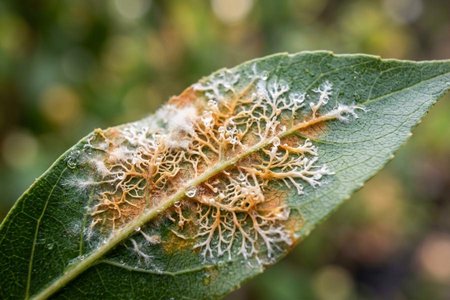
any abnormal condition in a plant that interferes with its vital physiological processes, caused by pathogenic microorganisms, parasites, unfavorable environmental, genetic, or nutritional factors, etc.
-
any harmful, depraved, or morbid condition, as of the mind or society.
His fascination with executions is a disease.
-
decomposition of a material under special circumstances.
tin disease.
verb (used with object)
noun
-
any impairment of normal physiological function affecting all or part of an organism, esp a specific pathological change caused by infection, stress, etc, producing characteristic symptoms; illness or sickness in general
-
a corresponding condition in plants
-
any situation or condition likened to this
the disease of materialism
Other Word Forms
Derived Forms
Inflected Forms
Nouns
Etymology
Origin of disease
First recorded in 1300–50; Middle English disese, from Anglo-French dese(a)se, disaise; dis- 1 + ease
Explanation

A disease is a health condition that has a specific set of symptoms and traits — such as malaria or heart disease. Disease is not always about the human body being sick. Plants and animals are often the victims of disease. People also use the word disease in a more figurative sense to illustrate just how bad or damaging a negative influence can be — like the disease of greed among capitalists or the disease of plagiarism among college students.
Vocabulary lists containing disease
Ecology - Interdependent Relationships in Ecosystems - Introductory
Looking to grow your vocabulary? Check out this interactive, curated word list from our team of English language specialists at Vocabulary.com – one of over 17,000 lists we've built to help learners worldwide!
Ecology - Interdependent Relationships in Ecosystems - Middle School and High School
Interested in learning more words like this one? Our team at Vocabulary.com has got you covered! You can review flashcards, quiz yourself, practice spelling, and more – and it's all completely free to use!
Workshop 5, Part 1
Want to remember this word for good? Start your learning journey today with our library of interactive, themed word lists built by the experts at Vocabulary.com – we'll help you make the most of your study time!
Example Sentences
Examples are provided to illustrate real-world usage of words in context. Any opinions expressed do not reflect the views of Dictionary.com.
See Examples For:
Fogarty is resilient but realistic — she’s the oldest Irish person ever with the extreme version of the disease but knows she won’t have an average lifespan.
From Los Angeles Times ● Nov. 22, 2026

The disease can affect people of any age but typically begins between the ages of 20 and 40.
From BBC ● Nov. 20, 2026

To compare their effects, Klein and his colleagues recruited 42 adults with obesity, prediabetes, and fatty liver disease.
From Science Daily ● Nov. 20, 2026

Gillman, who has Crohn’s disease, has out of necessity tried many available bathrooms across the city.
From The Wall Street Journal ● Nov. 19, 2026

Tuberculosis is a feared disease during this period in history, with good reason.
From "At Last She Stood" by Erin Entrada Kelly

In its prospectus, it highlighted the promise of accelerating scientific innovation, curing diseases, and boosting economic growth.
From Los Angeles Times ● Nov. 20, 2026
Inquiry chair Baroness Hallett said the UK should have been better prepared and learnt lessons from other countries that had experience of dealing with outbreaks of other infectious diseases, such as Sars.
From BBC ● Nov. 19, 2026
Changes in glial cell activity can contribute to the progression of neurodegenerative diseases.
From Science Daily ● Nov. 18, 2026
While measles is among the most contagious diseases in the world, the MMR vaccine is remarkably effective.
From The Wall Street Journal ● Nov. 18, 2026
Neither did the early farmers understand that feeding children with more porridge and less breast milk would weaken their immune system, and that permanent settlements would be hotbeds for infectious diseases.
From "Sapiens: A Brief History of Humankind" by Yuval Noah Harari
These instructions, carried by messenger RNA, tell the cells to produce specialized proteins that help them identify and eliminate diseased T cells.
From Science Daily ● Nov. 8, 2026
Trying to use CAR T cells against diseased T cells creates a major problem.
From Science Daily ● Nov. 8, 2026
New medications are showing promise in going after a certain kind of hard-to-target protein in diseased cells.
From The Wall Street Journal ● Oct. 15, 2026
The first starts with terror of the unknown and unseen but culminates in sheer pathos; the latter keeps the reader guessing: Is the creature real or merely the product of a diseased imagination?
From The Wall Street Journal ● Oct. 9, 2026
The words dead, diseased, or dying are supposed to describe the cows, but they’re so far from home that they seem to describe the reporters.
From "Woe Is I" by Patricia T. O'Conner
In either case we have diabetes, the sugar irritating and diseasing the kidneys as it passes.”
From Alcohol: A Dangerous and Unnecessary Medicine, How and Why What Medical Writers Say by Martha Meir Allen

They provide for your wants, hearken to your complaints, nurture you in sickness, with a diseasing fondness, and so render you incapable.
From Charlemont; Or, the Pride of the Village. a Tale of Kentucky by William Gilmore Simms
Random Word
Spin the wheel and learn a new word!
Get a wordDefinitions and idiom definitions from Dictionary.com Unabridged, based on the Random House Unabridged Dictionary, © Random House, Inc. 2023
Idioms from The American Heritage® Idioms Dictionary copyright © 2002, 2001, 1995 by Houghton Mifflin Harcourt Publishing Company. Published by Houghton Mifflin Harcourt Publishing Company.
